Of all the logical fallacies that show up at work, this is the one that actually ends arguments: take a wrenching business decision and rename it a crime.
This is 1 of 52 biases in my book “Convenient Truths: The Stories You Tell Yourself” — free on Kindle Unlimited: https://the3minutementor.com/books/ | Weekly essays: nigeldessau.substack.com
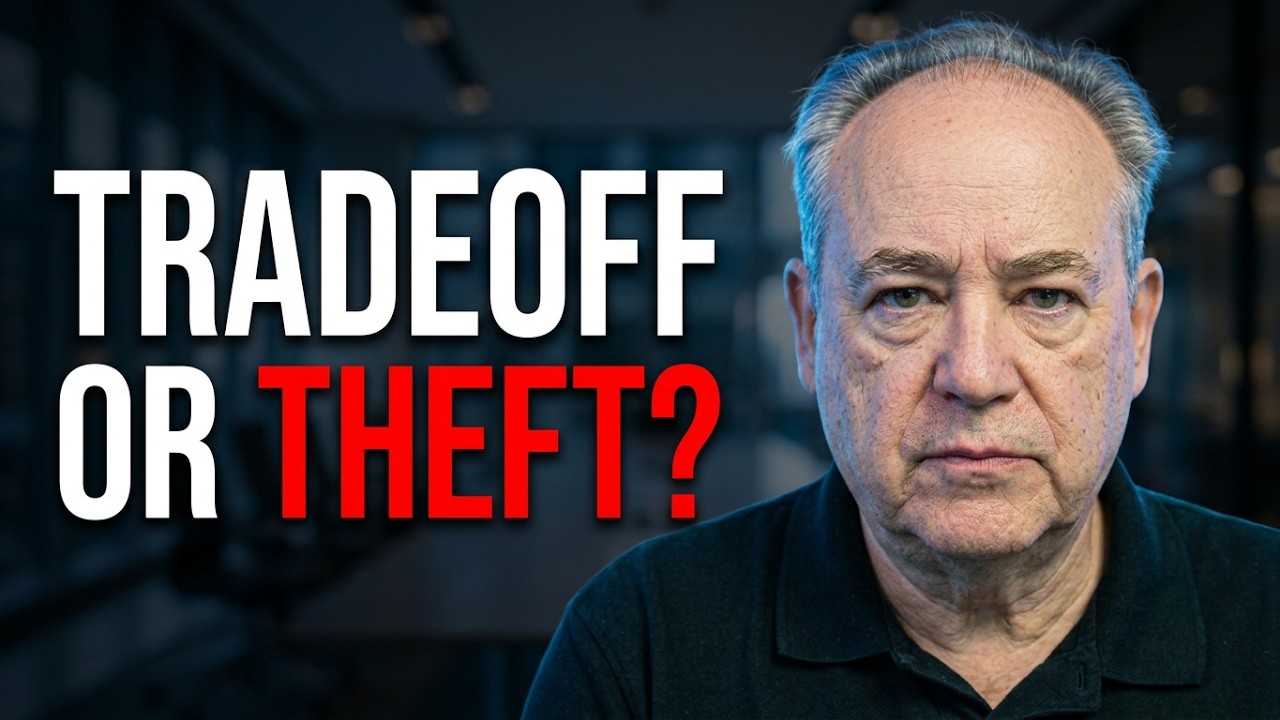
At IBM in the 1990s the guaranteed pension was converted and its value cut for many long-service people. I sat across from friends who’d given the company twenty-five years, and the word they reached for was always the same — robbed. They stole our pensions. A promise had been broken and people were genuinely worse off. But once it’s a theft, only one question is left in the room: whose side are you on? Mention the pension maths, or a balance sheet three months from insolvency, and you’re no longer analysing. You’re defending the robbery.
That’s Godwin’s Law in a suit. Linda Skitka’s research on moral conviction shows why it lands so hard: once we frame a position as a moral matter rather than a practical one, we hold it with more certainty, refuse to compromise, and want more distance from anyone who disagrees. And management does the identical thing from the other side — “we had no choice”, “it was this or the company dies”. Two camps, each holding a label that makes discussion feel like collusion. Between them, the answerable questions never get asked.
The Monday version: when a hard decision gets renamed a crime, don’t fight the label. Split the question in two, out loud. Is it wrong? And is it necessary? Both can be true at once — which is exactly the uncomfortable middle the moral word is built to skip.
#LogicalFallacies #Leadership #DecisionMaking