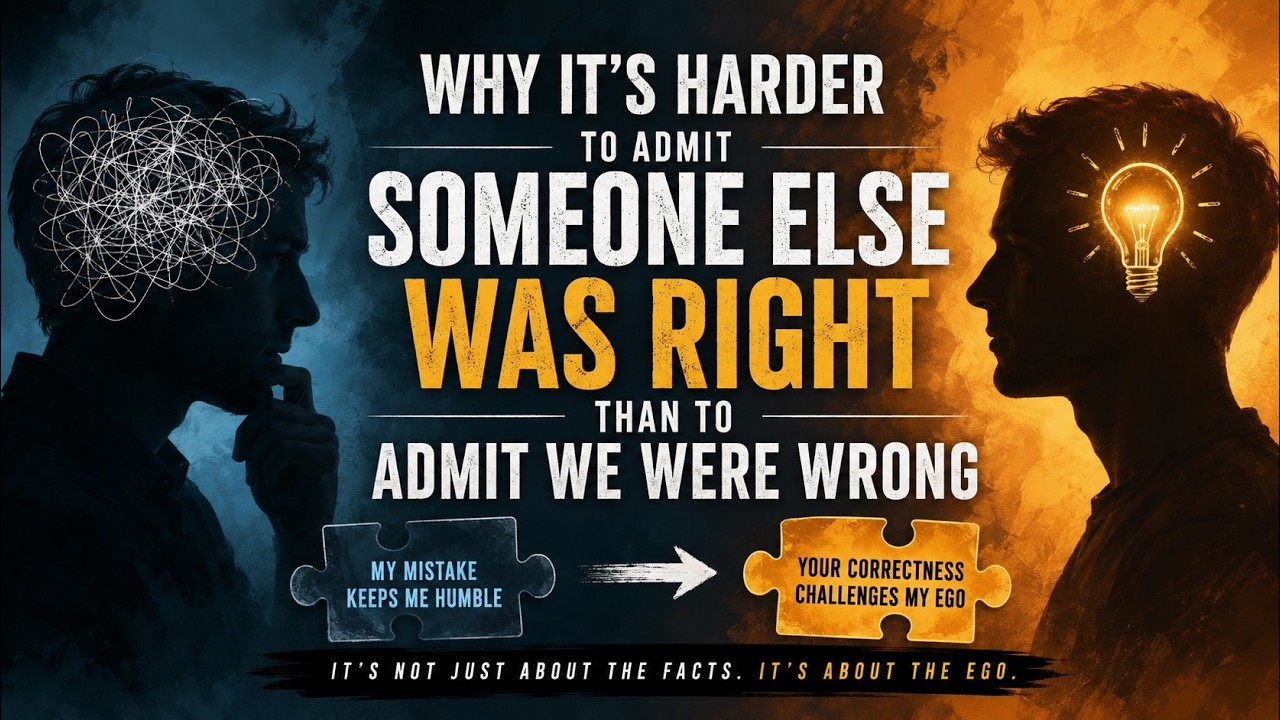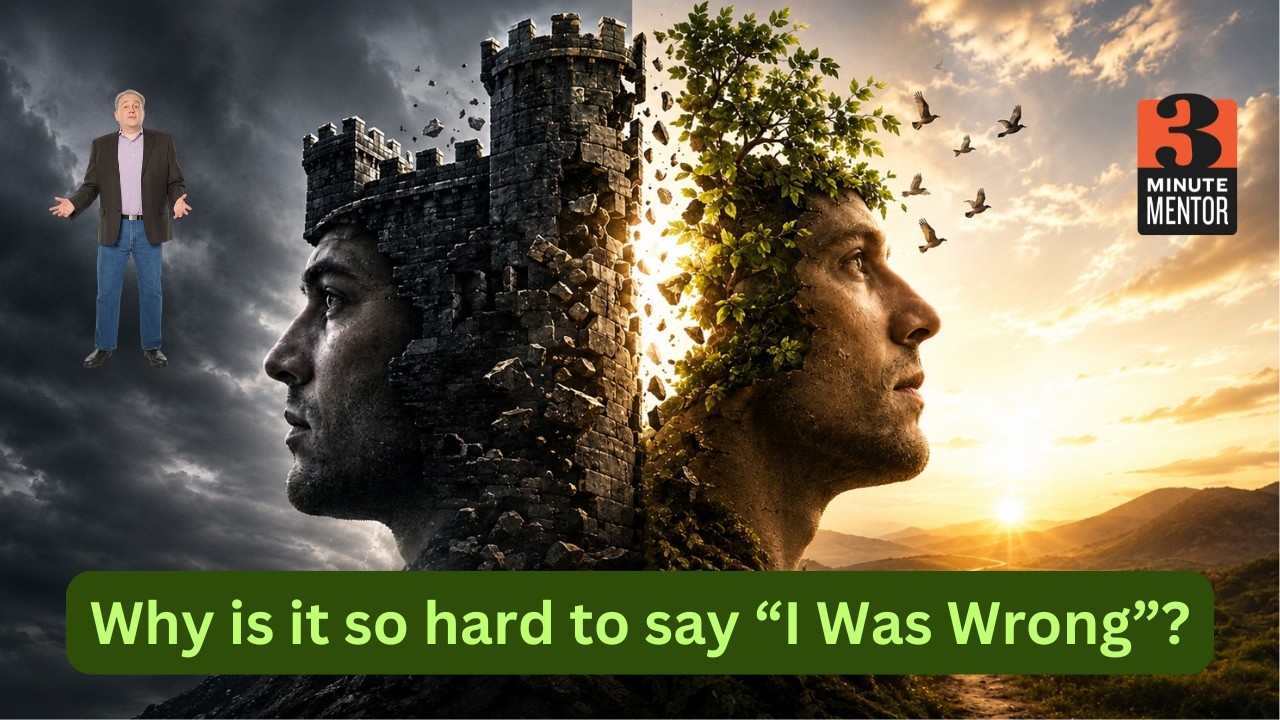
Confirmation bias is why smart people can believe almost anything — and why being clever makes it worse, not better. Intelligence doesn’t stop you from gathering evidence for the conclusion you already reached; it just makes you better at defending it.
Watch what happens when the evidence finally goes against you. You don’t drop the belief — you patch it. That’s ad hoc reasoning: a fresh explanation invented for each inconvenient fact, so the original claim survives untouched. Its cousin is special pleading — holding everyone else’s argument to a standard you quietly exempt your own from. Their project slipped because they’re disorganized; yours slipped because of circumstances. Each patch sounds reasonable on its own. Stacked up, they sound like a belief being protected rather than tested.
In this episode: what confirmation bias is actually protecting, how to hear ad hoc reasoning and special pleading in a meeting, and the one question that breaks the loop before a bad decision gets made.
More at the3minutementor.com | Substack: nigeldessau.substack.com | LinkedIn: linkedin.com/in/nigeldessau
#ConfirmationBias #LogicalFallacies #DecisionMaking